


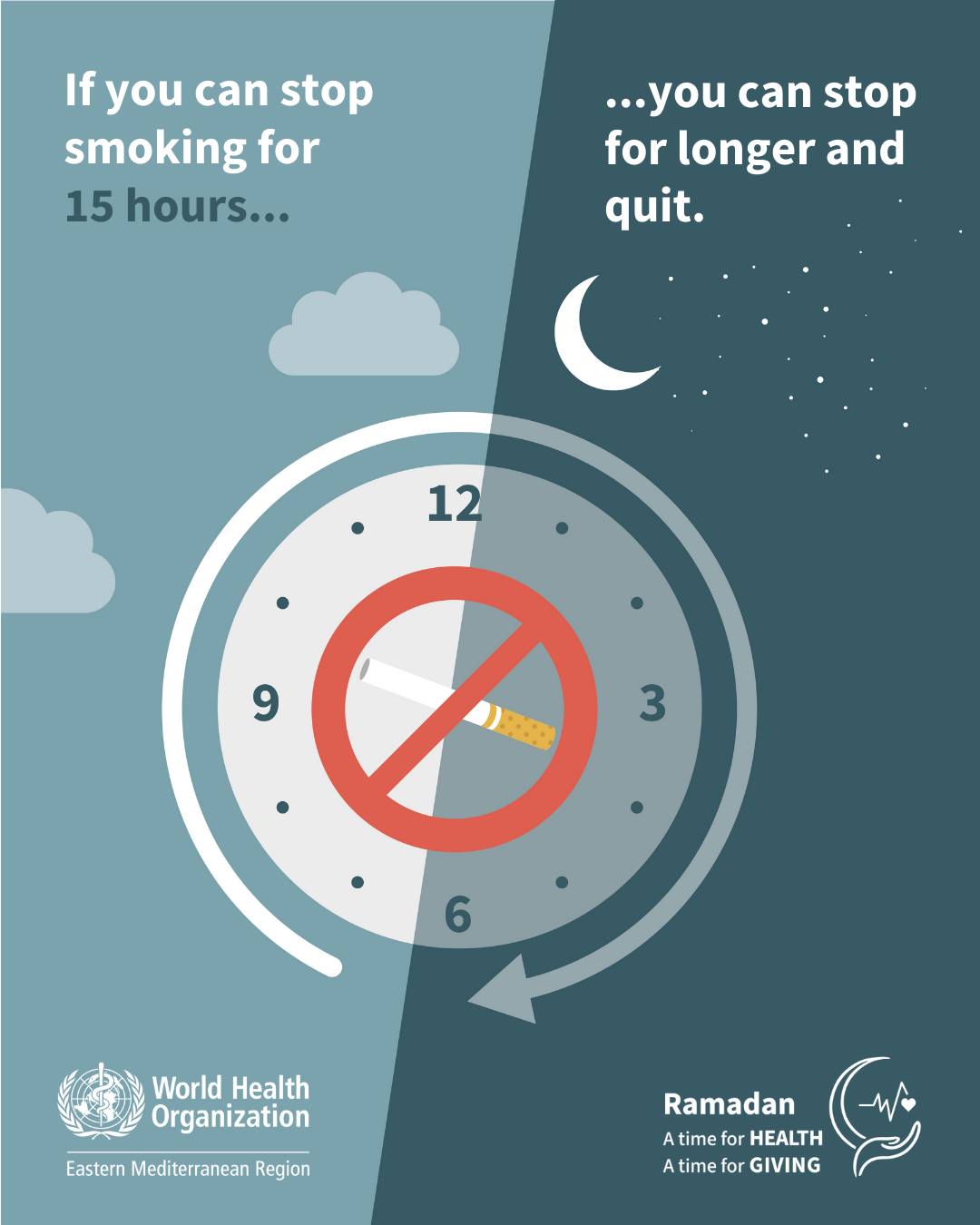
![Quitting Smoking: For 40 Days Of Lent, This Is What Would Happen To Your Body If You Stopped Smoking [INFOGRAPHIC]](https://d.medicaldaily.com/en/full/322796/quitting-smoking-hour.jpg?w=611&f=644b6d9d658ab0e7755d30467d18a768 "Quitting Smoking: For 40 Days Of Lent, This Is What Would Happen To Your Body If You Stopped Smoking [INFOGRAPHIC]")





★★★★★ 5
A Clear Concise Precis of a Complex Historical Era
Format: Paperback
R.W. Southern's book titled WESTERN SOCIETY AND THE CHURCH IN THE MIDDLE AGES is a readable account of the Medieval Catholic Church from c 750 to c. 1450. Southern concisely explained the achievements, successes, and failures. According to Southern, the achievements and successes far outweighed the failures and wrong doing.
Southern's book began with the special relationship between the new "barbarian" secular rulers and the Catholic clergy especially the monks and bishops. The fact that most secular rulers were not literate especially in the use of Latin, they relied on learned Catholic clergy. The Catholic clergy became crucial and both they and the secular rulers relied on each other. While Charlemagne (768-814)had a revered status as the defender of the Latin West, Southern mentioned his reliance on Catholic clergy. Charlemagne could read,but he never learned to write. He was aware of his own deficiencies and started the Palace School at Aachen where, among others, Alcuin (735-804) and other learned men expanded learning at a time called the Carolingian Renaissance. What readers should appreciate is that without Catholic clergy and monks, learning would have disappeared in Western Europe. Southern was very clear about this.
The Medieval Catholic authorities faced other challenges. Long simmering feuds existed between the Byzantine Greek Orthodox Church authorities and the Latin Roman Catholic authorities. During the eighth century and again in 1054,the official reasons for tensions were the use of icons (The Iconoclastic Controversy) and the status of the Pope. As Southern wrote, these tensions were a cover for the disputes between the Italians and Byzantine Greeks over Byzantine control of parts of Italy. What the Greek Orthodox and Byzantine authorities did not want to realize was that the Latin West including the Popes were their only salvation vs. the Islamic Seljuk Turks especially after the Byzantine defeat at Manzikurt in 1071. In 1422, Pope Martin V (1417-1471)reminded the Byzantine religious and secular rulers how much they relied on the Latin West. In other words, Pope Martin V demanded concessions if the Byzantines expected help vs. the Turks. Because of the lang standing traditions the Byzantines had, they refused to face their doom which occurred in 1453. Southern's description of this dilemma was well presented.
An achievement that Southern emphasized was the development of Canon Law. Increased trade, urbanization, and political power led to conflicts between secular rulers and Catholic authorities. Some of the Medieval Popes were known as "The Lawyer Popes" such as Pope Alexander III (1159-1181), especially Pope Innocent III (1198-1216), and Pope Pope Gregory IX (1227-1241). While the Popes could and sometimes used excommunication and interdict to intimidate secular rivals, the problem became acute because of too much reliance on these spiritual weapons.
Not only did the Popes exert power and influence, the Catholic bishops also had considerable influence. The Cathoic bishoporics existed long befor the monastic orders and the friars. The ideal for bishops was Pope Gregory's (590-604)work titled PASTORAL CARE. Due to the bishops' position of power and status, many became too involved with poltical situations that mitigated Pope Gregory I's ideal. Bishops had to enforce discipline, show wisdom, and administer effectively. Southern mentioned some of the bishops who were effective and some who were inept. For example Bishop Odo Riguad (1247-1276) was "firm but fair." He was lenient for qualifications for those who wanted to enter Holy Orders and was reasonable, in fact kind, re reconcilation. Yet, he expected those under his authority to comply with their priestly duties. On the other hand, John Peckham who was the Archbishop of Canterbury (1279-1292)was obstinate, incompetent, and not capable for the position. After the Papal Election Decree in 1059 and the Investature Controversy, the Popes wanted the local clergy to decide on the appointment of bishops. Southern told readers that even a Pope as powerful as Pope Innocent III (1198-1216)preferred local selection. While Popes could intervene if no decision could be reached, they preferred not to impose what Southern called "The Royal Road."
While the bishoporics existed prior to the monastic orders and friars, the latter groups were also crucial to the Catholic Church and the Latin West. The dominant orders included the Benedictines started by St. Benedict (480-544) whose Benedictine Rule was the standard until c. 1050. The work of the monastic orders re learning can never be underestimated especially since they wrote and hand copied books including the Bible long before the invention of the printing press. Their influnce was such that a Beneditine was made Pope-Pope Gregory I (590-604). Other orders such as the Cistertians and Augustinians later developed separate from the Benedictines. The best known of the Cistertians was St. Bernard of Clairvaux (1090-1153)whose rhetoric and conservative views were a check on unbridled enthusiams. The friars were orders of men and women who left the cloister to appeal to the masses. St. Dominic (1170-1221) started the Order of Preachers or Dominicans as a learned society of men and woman to combat heresy. The Friars Minor (the Franciscans) were started by St. Francis of Assissi (1182-1226),and these men and woman started as an order to help the poorest of the poor. Southern could have mentioned that St. Francis helped those even God ignored. The Dominicans and Franciscans became dominant teachers in Catholic universities and revived interest in Ancient Greek thought. These men and women also made signficant contributions re science and mathematics. A major reason for the creation of the friars was the gradual increase of urbanization. As Southern reminded readers, without towns, there would have been no friars. Without universities, the friars would never have been great.
By the middle of the 14th. century (the 1300s), the Scholastic achievements faded because of the trivial debates. This led to a revival of Catholic mysticism such as Thomas a Kempis' (1380-1471)who wrote IMITATION OF CHRIST and later St. Ignatius Loyola's (1491-1556) SPIRITUAL EXERCISES. As Southern warned did such mysticism lead to false piety?
Southern did an effective job re Medieval Catholic Church History. He could have emphasized the work of some of the giant intellects such as St. Albertus Magnus (1193-1280) and St. Thomas Aquinas (1225-1274). Southern's treatment of Canon Law was later enhanced by Berman's book titled LAW AND REVOLUTION. Students of Church History will benefit from Southern's book. It is clear, and complexities are carefully explained. The list of Popes at the end of the book can help readers to keep track of the "players."
James E. Egolf
November 5, 2013
WAS THIS REVIEW HELPFUL?YesReportShare
Reviewed in the United States on November 6, 2013